Port Cities Rewrite Flood Defenses Around Daily Commutes
Coastal cities are redesigning barriers around bus lanes and walking routes, not just buildings, as tidal flooding becomes part of the morning routine.
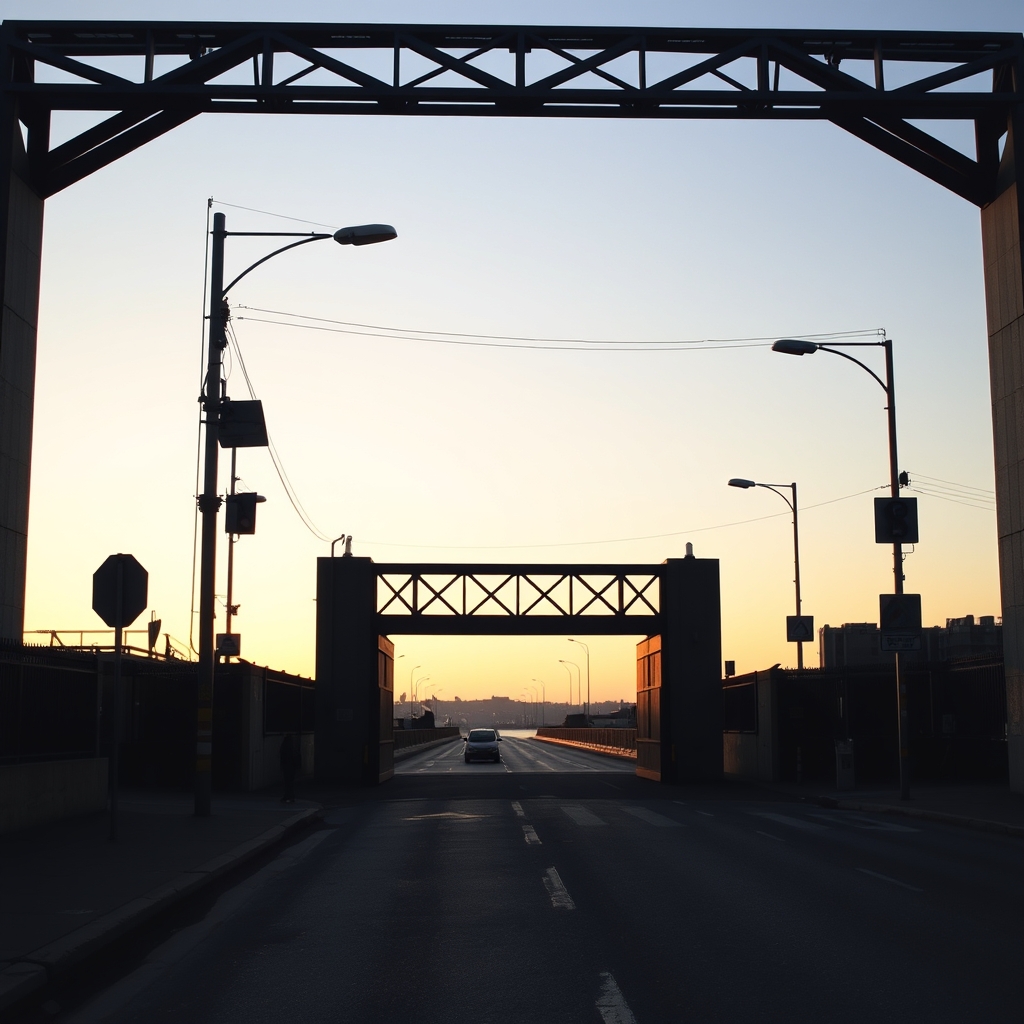
A tide that reaches the road
The first signs were subtle: a wet patch near the quay, a bus detour, a warning light on a underpass. Within two seasons, port cities were treating tidal flooding as a commute problem rather than a property problem.
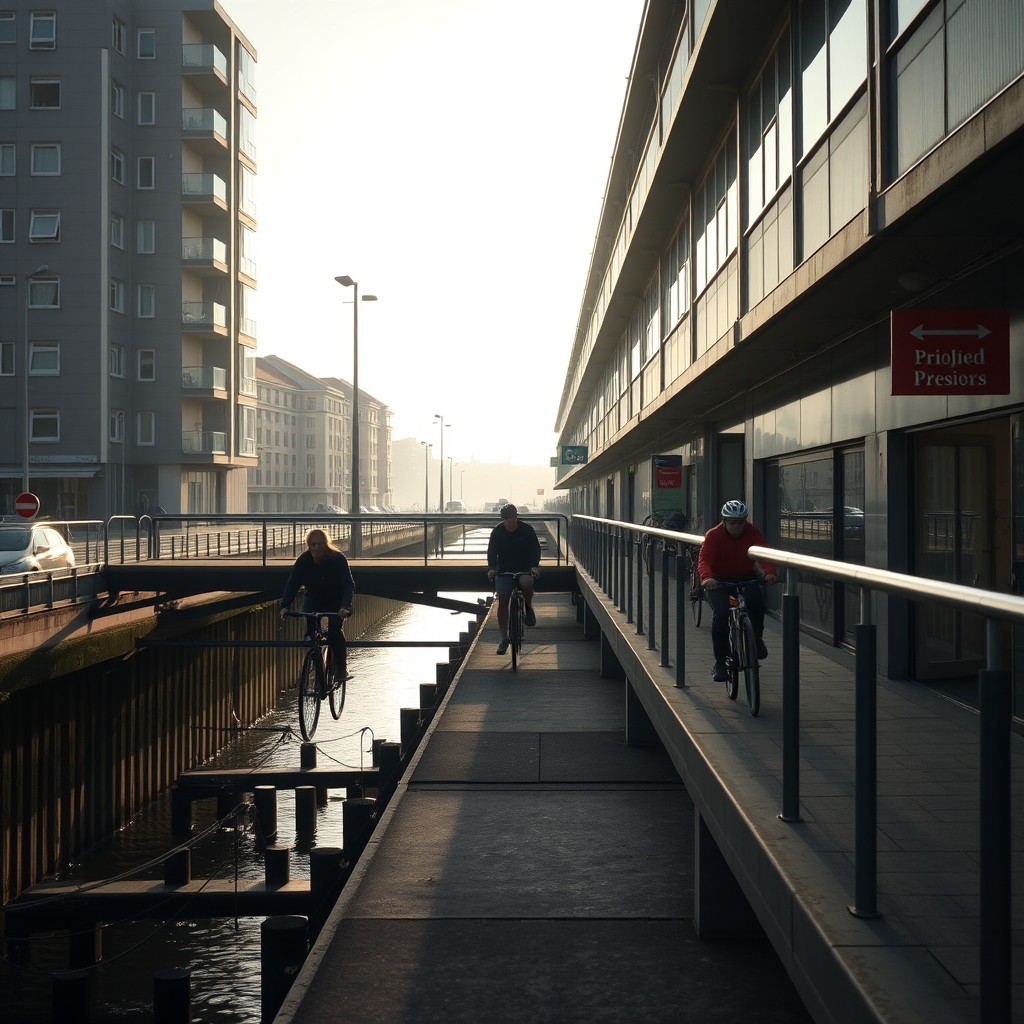
What changed in the plans
Engineers now draw flood gates around transit corridors and school routes. The goal is smaller disruption, not a perfect wall, and the designs are being tested with local operators before construction starts.
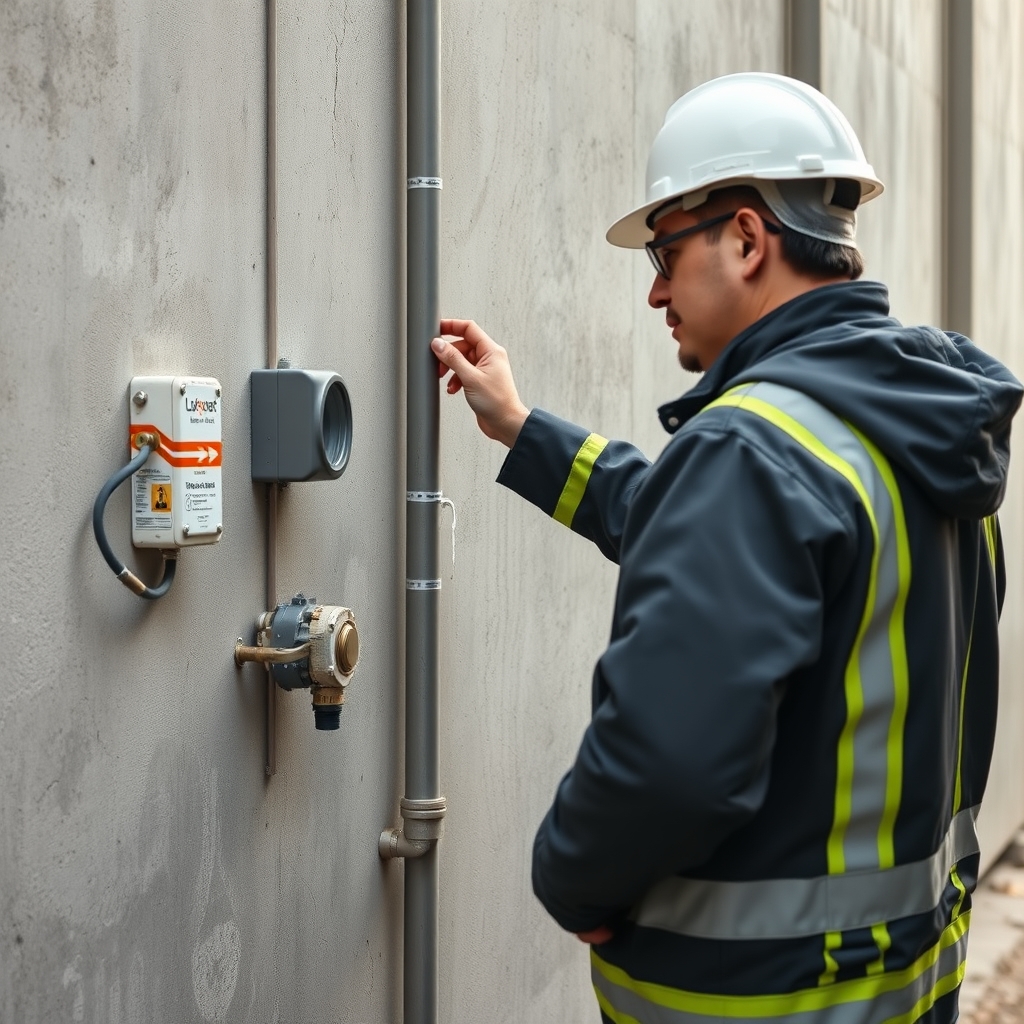
The cost of waiting
Shop owners near the water say a single closed street can erase a week of trade. Insurers are asking for clearer maps, and city budgets are under pressure to fund small defenses before larger projects are approved.

A test that can be measured
Sensors now report water height every few minutes, and several councils publish the readings on public dashboards. Readers who spot a mismatch can send a correction through our contact page.

The next season
The coming year will show whether smaller barriers and better timing can keep roads open during spring tides. Officials say the measure of success is simple: fewer disrupted journeys, not fewer headlines.
A barrier works best when the road beside it still works.
Independent reporting for curious readers.