City Sensors Move From Pilots to Everyday Maintenance
Low-cost sensors are leaving the demo stage and entering routine street work, helping crews find failing lights, blocked drains and rough surfaces sooner.
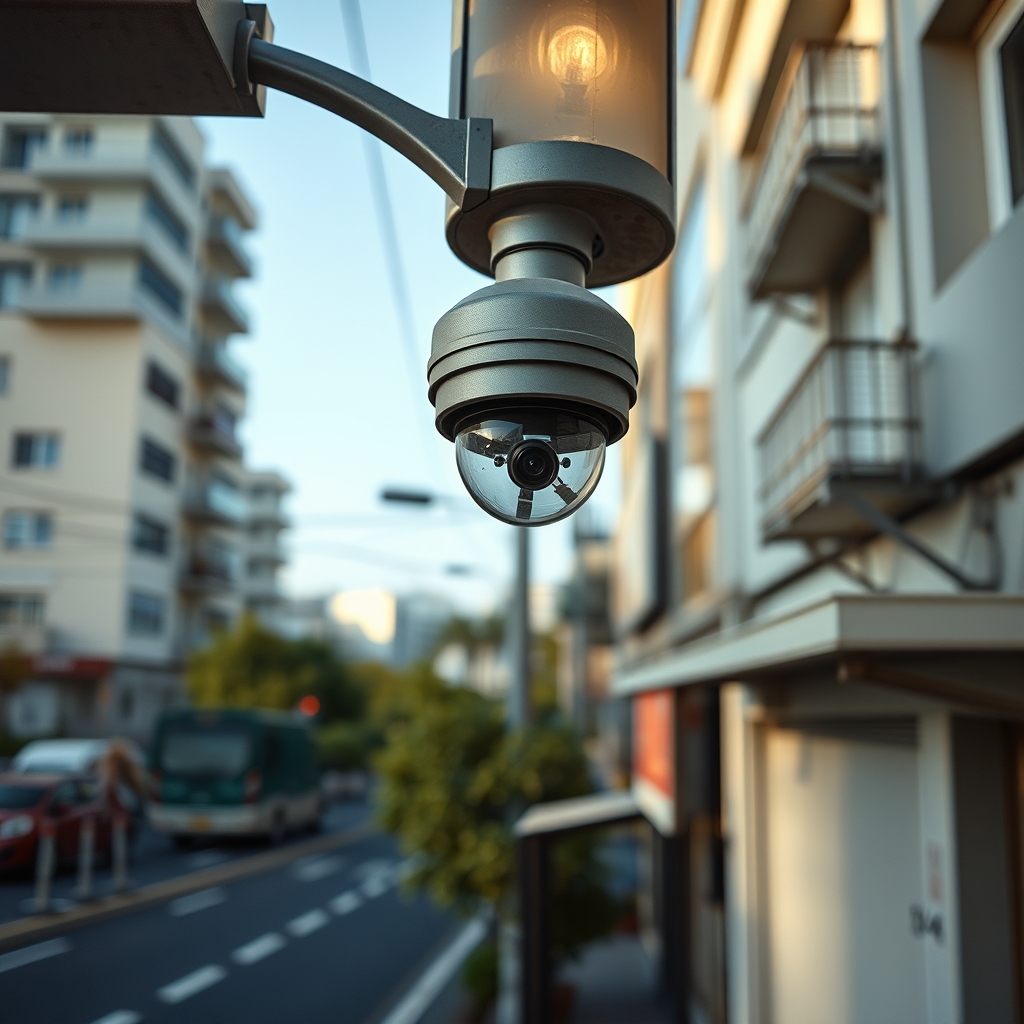
Beyond the pilot
The first sensor projects were showcases. The new ones are duller and more useful: small devices on streetlights and drains that flag problems before a resident reports them.
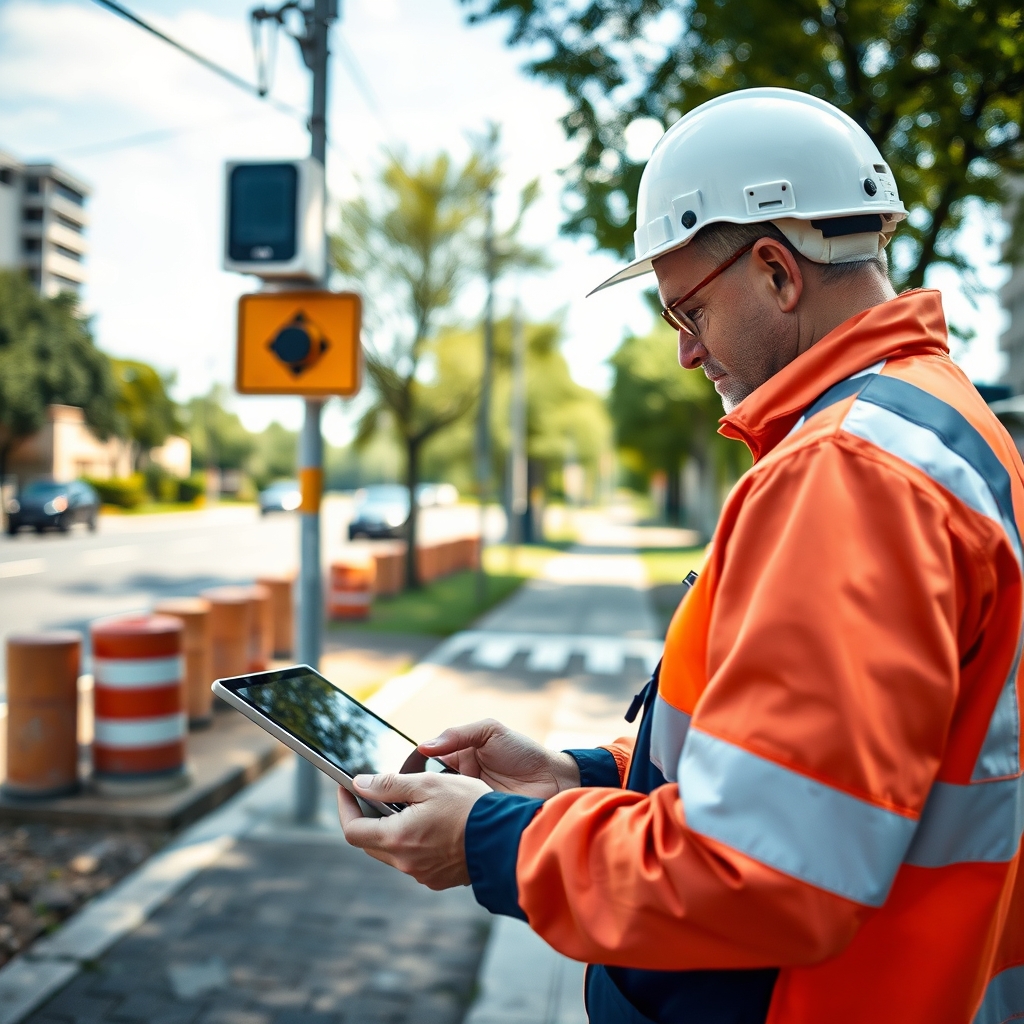
How crews use the data
A maintenance team does not need a perfect reading. It needs a short list of places worth checking, and a timestamp that shows whether a problem is getting worse.

The quiet privacy question
Most devices count conditions rather than people. City staff publish what each sensor measures and delete raw readings on a fixed schedule to keep public trust.
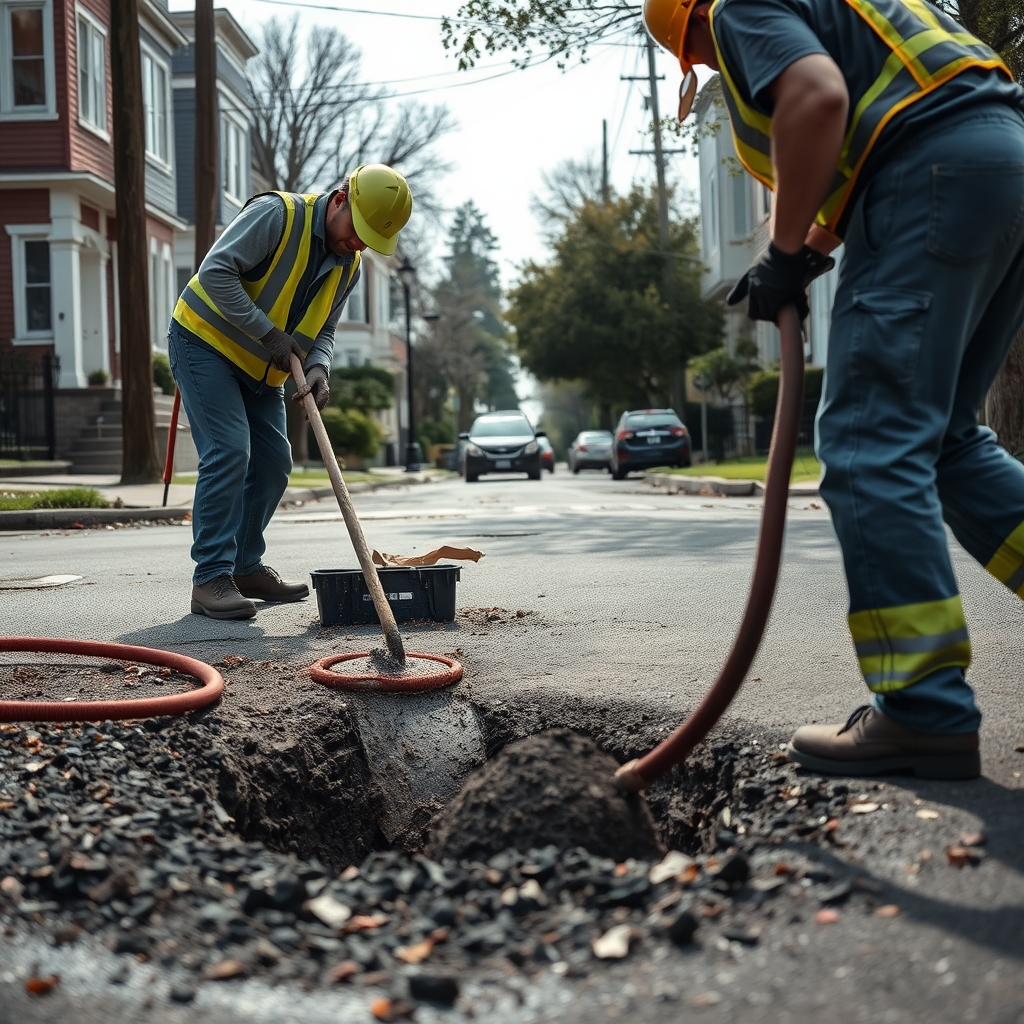
Failure is part of the design
Sensors break, drift and report nonsense. The system is built to mark weak readings, so a crew never sends a team across town for a single odd signal.
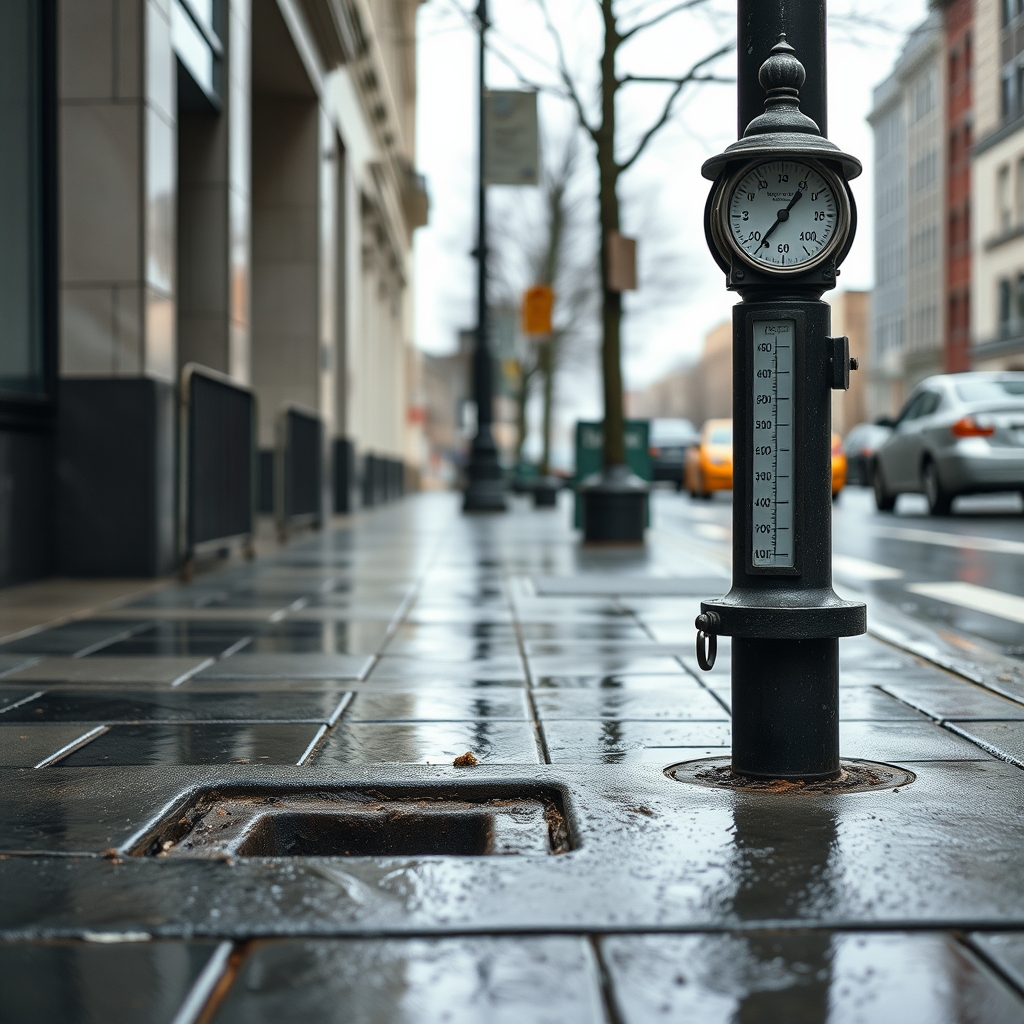
What comes next
The next step is linking sensor alerts to work orders. If that link works, a pothole could be logged, repaired and closed without three separate phone calls.
The best city technology is the kind nobody has to think about.
Independent reporting for curious readers.